
Why Does My Pet Have a Lump Under the Skin? When a Mass Needs Testing
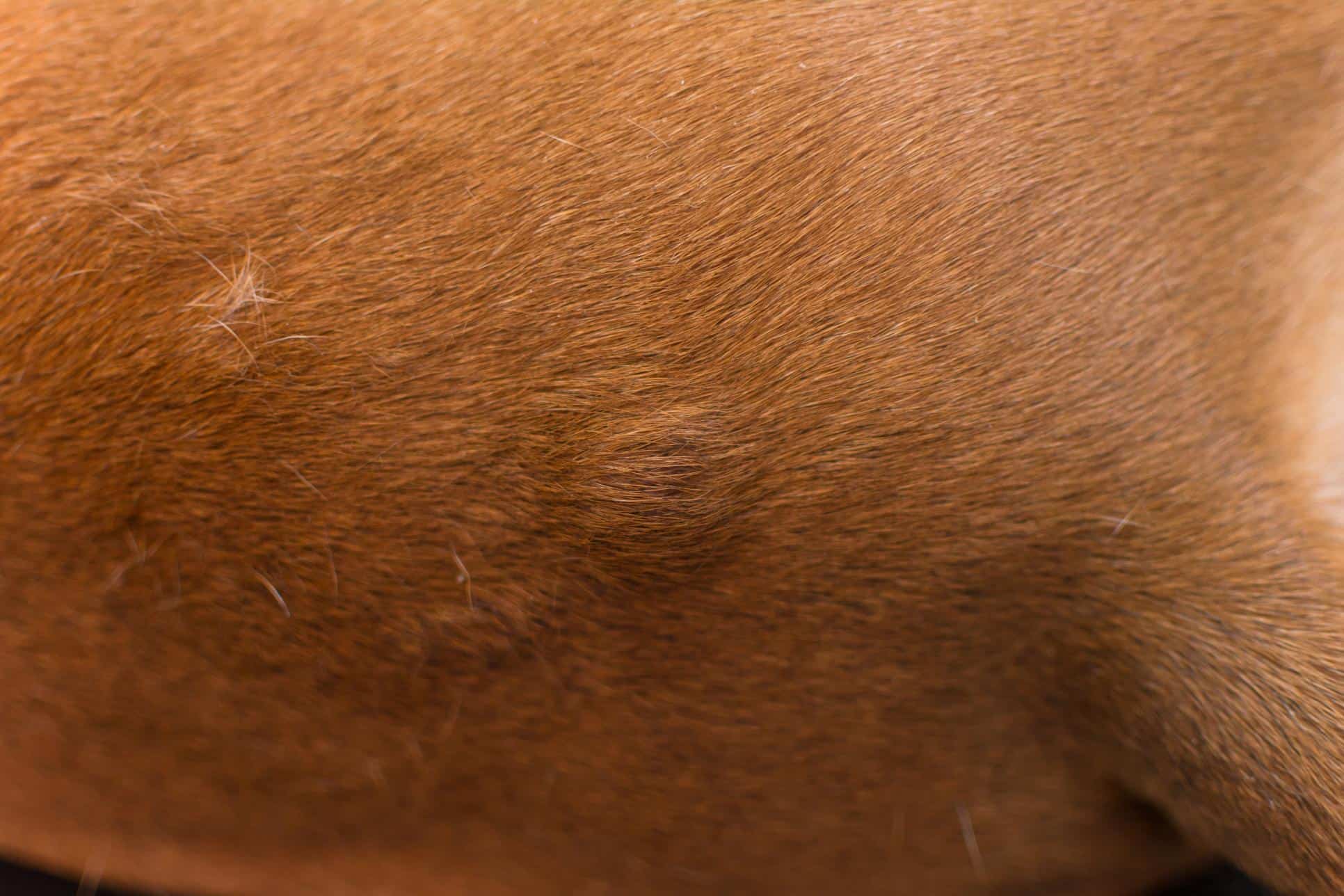
Petting your dog or cat is a mutually relaxing activity—until your fingers discover something that definitely wasn’t there yesterday.
While finding a dog lump under the skin or a cat lump under the skin can be startling, there are many possible explanations, and not every mass is dangerous.
Still, any new or changing lump deserves attention. At Cherry Creek Veterinary Hospital, a thorough examination can help determine what that mysterious bump may be and whether further testing or treatment is needed.
What Is That Lump?
As pets grow older, it’s common for them to develop more lumps and bumps, including benign growths such as lipomas. However, older pets also have a higher risk of certain tumors, including malignant ones. Other masses can result from cysts, infections, injuries, or inflammation, and can occur at any age. Because harmless-looking lumps and more serious masses can feel remarkably similar, a veterinary mass evaluation is best.
Possible causes include:
- Fatty growths called lipomas
- Cysts
- Abscesses or other skin infections
- Benign tumors
- Malignant tumors
- Inflammation following an injury or irritation
When Should a Lump Be Checked?
A newly-discovered lump is worth mentioning to your veterinarian, particularly if it is growing or changing.
Pay extra attention if the mass:
- Grows noticeably over a short period
- Changes shape, texture, or color
- Becomes painful or irritated
- Bleeds or develops discharge
- Causes your pet to lick or scratch the area
- Interferes with movement or daily activities
Veterinary Mass Evaluations
A veterinary mass evaluation usually begins with a physical examination. Your veterinarian may measure the lump, assess its location and characteristics, and look for changes in the surrounding tissue.
Depending on the mass, your veterinarian may recommend collecting a small sample of cells for testing, often through fine-needle aspiration. A biopsy or surgical removal may be recommended when additional information is needed.
Diagnostic testing matters because you can’t reliably determine whether a mass is benign or malignant just by looking at it or feeling it.
Monitoring Your Pet’s Lump
If you find a dog lump under the skin or a cat lump under the skin, and your veterinarian recommends keeping an eye on it, take occasional photographs and note its size and location. That makes it easier to recognize subtle changes and report them during future visits. If the lump changes, don’t wait for the next checkup to mention it.
Don’t Let a Mysterious Mass Stay a Mystery
Not every lump is a problem. But every new lump is worth noticing. Many pet masses turn out to be benign, while others benefit from early diagnosis and treatment. The next time you find an unexpected lump or bump while you’re petting your furry friend, don’t panic. Make a note of what you found and contact our caring team at (916) 349-2755.