
Foxtails in Dogs and Cats: Symptoms Every Pet Owner Should Know
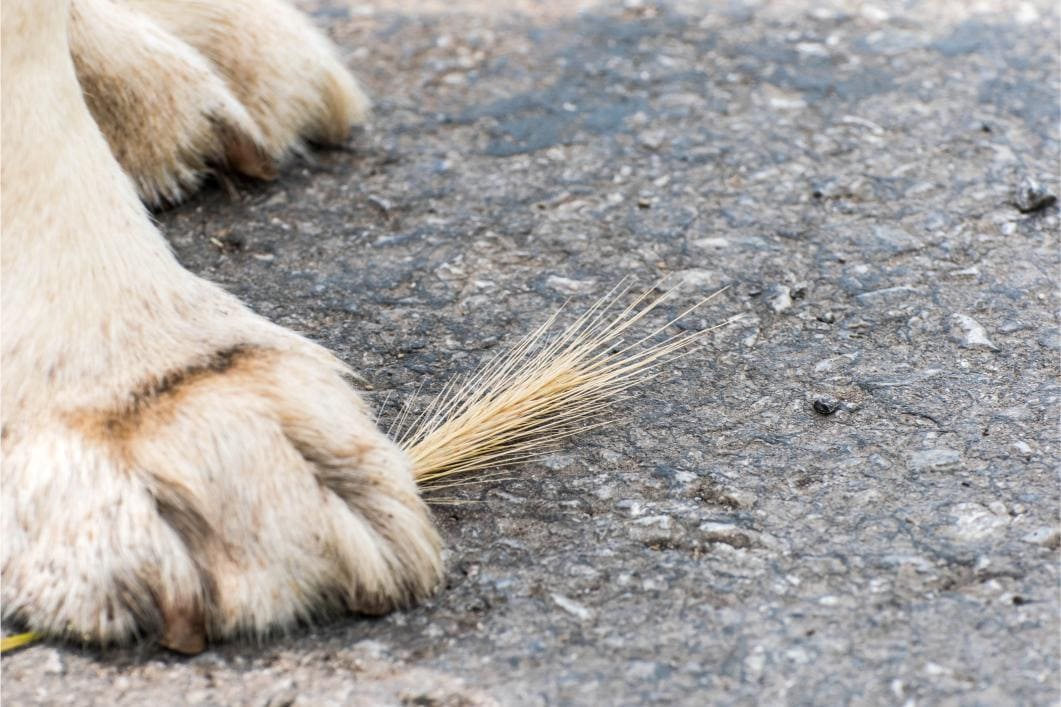
Sunny walks, backyard playtime, and trail adventures are some of the best parts of life with pets, but certain seasonal hazards can sneak up on even the most attentive pet parent. At Cherry Creek Veterinary Hospital in Antelope, CA, one of the more common (and surprisingly serious) issues we see involves foxtails—small, barbed seed heads that can cause big problems for both dogs and cats.
Understanding how these plants behave and what to watch for can help you catch issues early and keep your pet safe.
What Are Foxtails, and Why Are They Dangerous?
Foxtails are a type of grass awn, and a grass awn injury in pets can occur when these sharp, bristly seeds latch onto fur and begin to work their way into the body. Because of their barbed shape, foxtails don’t just fall out—they embed deeper into tissue over time.
You’re most likely to encounter them in:
- Dry grassy fields
- Trails and open spaces
- Overgrown yards and roadsides
Once attached, they can enter through the skin, ears, eyes, nose, or between the toes, leading to irritation, infection, or more serious complications.
Common Symptoms to Watch For
Foxtails don’t always make a dramatic entrance. In many cases, symptoms start subtly and worsen over time. The symptoms of a foxtail in a dog or cat can vary depending on where it becomes lodged, which is why it’s important to pay attention to even small changes in your pet’s behavior.
Keep an eye out for:
- Persistent licking or chewing at a paw
- Sudden limping or favoring one leg
- Swelling, redness, or drainage at a specific site
- Head shaking or ear scratching
- Sneezing fits or nasal discharge
- Lethargy or decreased appetite
If something feels “off,” trust your instincts. Acting early can help prevent a more complicated issue.
Foxtails in Paws: Small Entry Point, Big Problem
One of the most frequent trouble spots is the paw, especially between the toes. What starts as a minor irritation can quickly escalate if the foxtail burrows beneath the skin.
If left untreated, this can lead to a foxtail dog or cat paw infection, which may present with swelling, tenderness, or even an abscess. You might notice your pet obsessively licking the area or suddenly avoiding putting weight on that foot.
Because these seeds can travel beneath the surface, removal isn’t always straightforward—and that’s where veterinary care becomes essential.
When a Foxtail Targets the Nose
Some cases are more obvious. One of the more dramatic cases we see is a foxtail in the nose of a dog or cat. You may notice:
- Sudden, repeated sneezing
- Pawing at the face
- Nasal discharge, sometimes tinged with blood
- Visible discomfort or agitation
This situation typically requires prompt veterinary attention, as the foxtail can migrate further into the nasal passages if not removed quickly.
Prevention Tips for Pet Owners
While you can’t eliminate every risk, a few simple habits can go a long way in protecting your pet. Taking a few moments after outdoor time can help you catch problems before they start.
- Check your pet’s paws, ears, and coat after walks or outdoor time
- Keep grass and weeds trimmed in your yard
- Avoid walking through dry, overgrown areas when possible
- Brush your pet regularly to remove debris
A quick check may not seem like much, but it can make a meaningful difference in your pet’s comfort and safety.
Stay Ahead of Hidden Hazards
Foxtails may be small, but the problems they cause are anything but. Staying aware of the signs and acting quickly when something seems off can help you avoid more serious complications down the line.
If you notice any unusual symptoms or suspect your pet may have come into contact with foxtails, our veterinarians and staff at Cherry Creek Veterinary Hospital are here to help. Call us at (916) 349-2755 to schedule an appointment, and ask about our wellness plans designed to keep your pet healthy throughout the year and through all stages of life.