When Is a Lump on Your Pet Serious? What Veterinarians Want Owners to Know
Finding a lump on a dog or a lump on a cat can be unsettling for any pet owner. One moment you’re petting your furry companion as usual, and the next you’re wondering when the lump appeared, what it is, and whether it could be serious.
The truth is that not every lump or bump is dangerous—but every new lump deserves attention, even when your pet seems perfectly fine.
First Step: Don’t Panic, But Don’t Ignore It
It’s easy for the mind to jump ahead, but many pet lumps turn out to be completely harmless. Fatty growths, small cysts, or minor skin changes are common, especially as pets age.
A helpful rule of thumb? If a lump on a dog or lump on a cat is new, growing, changing, painful, or you’re simply unsure what it is, have it checked out.
Common Pet Lumps
Not all lumps are created equal. Some of the most common include:
Benign (Non-Cancerous) Growths
- Lipomas (fatty tumors, very common in dogs)
- Sebaceous cysts
- Warts or skin tags
Inflammatory or Infectious Lumps
- Abscesses from bites or injuries
- Injection-site reactions
- Localized skin infections
Potentially Concerning Masses
- Mast cell tumors
- Soft tissue sarcomas
- Mammary gland tumors
- Rapidly growing or irregular masses
What Happens During a Pet Mass Evaluation?
A pet mass evaluation is not about rushing to the worst conclusion. It’s about getting clarity. Many cases can be assessed with simple, minimally-invasive steps that provide reassurance or next steps fairly quickly.
Your veterinarian may:
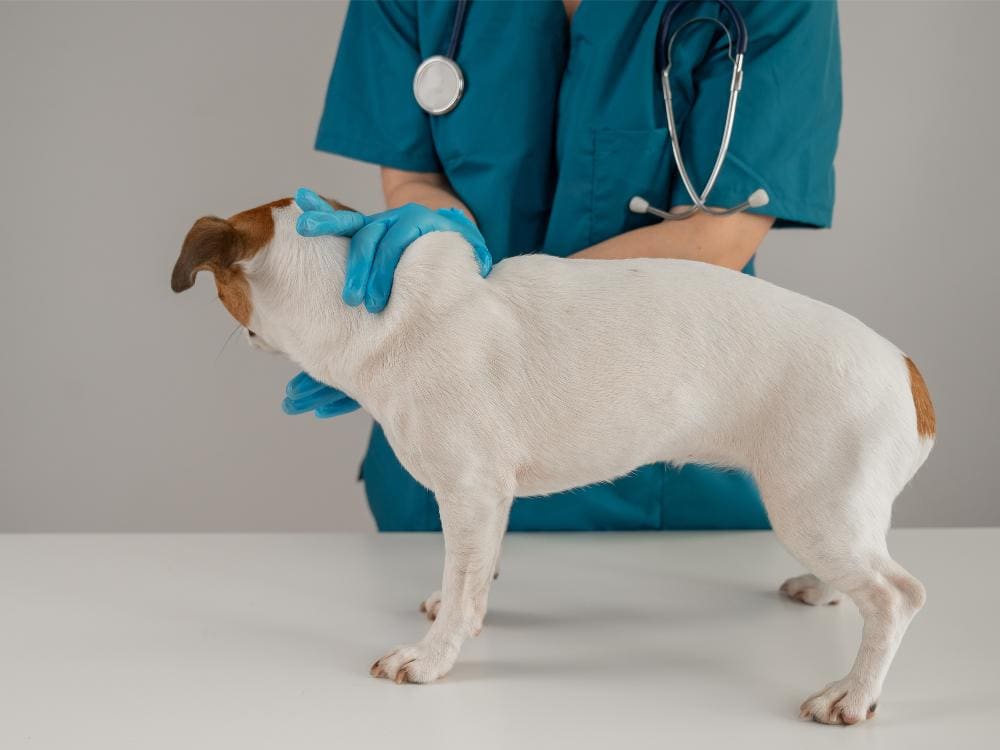
- Carefully examine and measure the lump
- Use a fine needle to collect a small sample of cells
- Analyze those cells under a microscope (often quickly)
- Recommend a biopsy if more detail is needed
- Use imaging when deeper tissue evaluation is required
Why Early Evaluation Matters
Early detection is one of the most important factors in successful treatment outcomes. Even when a mass turns out to be serious, identifying it early often means more treatment options and a better prognosis. Waiting too long can allow a mass to grow, change, or spread, making treatment more complex.
What You Can Do at Home
Between veterinary visits, small habits can make a big difference:
- Gently feel your pet during regular cuddling or grooming
- Take note of anything new or changing
- Snap a quick photo to track size over time
- Trust your instincts if something feels “off”
When to Call Your Veterinarian
If you discover a lump on a dog or a lump on a cat, the safest next step is to schedule an examination with your veterinarian.
At Cherry Creek Veterinary Hospital, our team understands how concerning it can be to discover a lump on your pet. We provide careful pet mass evaluations designed to help determine what the lump is and whether any treatment is needed. Early attention can make all the difference in protecting your pet’s health and comfort.