Why Does My Dog Have Diarrhea After Swimming? Waterborne Illnesses in Pets
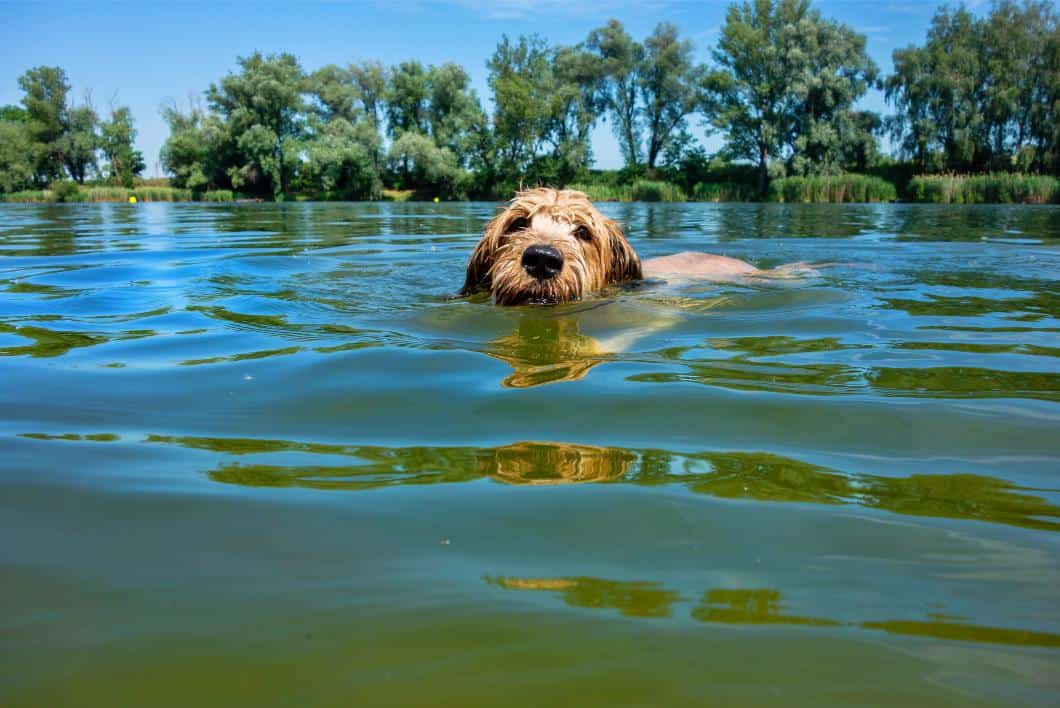
A day at the lake, river, or swimming pool can be one of the highlights of summer for many dogs. Splashing, retrieving toys, and cooling off in the water are all part of the fun. However, if your dog gets diarrhea after swimming, it may be more than a simple upset stomach. In some cases, exposure to contaminated water can lead to illness that requires veterinary attention.
At Cherry Creek Veterinary Hospital, our veterinarians and staff often see pets with digestive issues and infections linked to unsafe water exposure, especially during warmer months in Antelope and surrounding communities.
Why Swimming Sometimes Leads to Digestive Upset
Dogs are naturally curious about water. While swimming, many gulp lake water, pond water, or even water from puddles along the shore. Unfortunately, those water sources can contain bacteria, parasites, toxins, or other contaminants that irritate the digestive tract.
Sometimes mild diarrhea happens simply because your dog experienced a sudden dietary change during travel, or swallowed too much water on an outdoor adventure. However, persistent symptoms may point to a more serious waterborne disease in dogs.
Certain environments carry a higher risk, including stagnant ponds, slow-moving creeks, and lakes affected by algae growth or storm runoff.
Common Waterborne Illnesses in Dogs
Some infections are more common than many pet owners realize. Understanding the connection between lake bacteria and dog illness can help you know when to seek care.
Some of the most common concerns include:
- Giardia, a parasite that causes diarrhea and intestinal inflammation
- Leptospirosis, a bacterial infection spread through contaminated water or wildlife urine
- Blue-green algae toxicity
- Salmonella or E. coli exposure
- Intestinal irritation from swallowing excessive water
Symptoms can vary depending on the cause, but digestive upset is often one of the first warning signs. Dogs may also develop dehydration if diarrhea becomes severe or prolonged.
While some cases improve with supportive care, others can become dangerous without treatment. That is especially true with leptospirosis, which can affect the kidneys and liver.
What Are the Signs Something More Serious Is Going On?
A single loose stool after a long swim may not always be an emergency. Still, it is important to monitor your dog closely for worsening symptoms.
You should contact your veterinarian if you notice:
- Repeated diarrhea or vomiting
- Blood in the stool
- Lethargy or weakness
- Refusing food or water
- Fever
- Excessive thirst
- Abdominal discomfort
- Trouble walking or unusual behavior
It’s also helpful to know the possible leptospirosis symptoms in a dog because early treatment matters. Signs can include vomiting, diarrhea, muscle pain, fever, jaundice, increased thirst, or changes in urination.
Some waterborne infections can progress quickly, particularly in puppies, senior dogs, or pets with underlying health conditions. Prompt veterinary care can make a major difference in recovery.
How To Reduce Your Dog’s Risk While Swimming
The good news is that you don’t have to avoid water activities altogether. A few precautions can go a long way toward protecting your pet.
Before heading out for a swim, consider these safety tips:
- Avoid stagnant or foul-smelling water.
- Keep your dog away from visible algae blooms.
- Bring fresh drinking water to discourage drinking from lakes or puddles/
- Rinse your dog after swimming.
- Prevent swimming after heavy rainfall when runoff may contaminate water sources.
- Stay current on vaccinations, including leptospirosis if recommended by your veterinarian.
It is also wise to watch your dog closely during outdoor adventures. If symptoms begin later that day or within the next few days, mention the recent swimming activity when calling your veterinarian.
When To Schedule a Veterinary Visit
At Cherry Creek Veterinary Hospital, our compassionate team provides thorough exams, diagnostics, urgent care visits, and personalized treatment plans to help pets recover safely. To book an appointment or learn more about protecting your dog from waterborne disease, call (916) 349-2755 today.