Why Is My Dog Scooting? Anal Gland Problems Explained
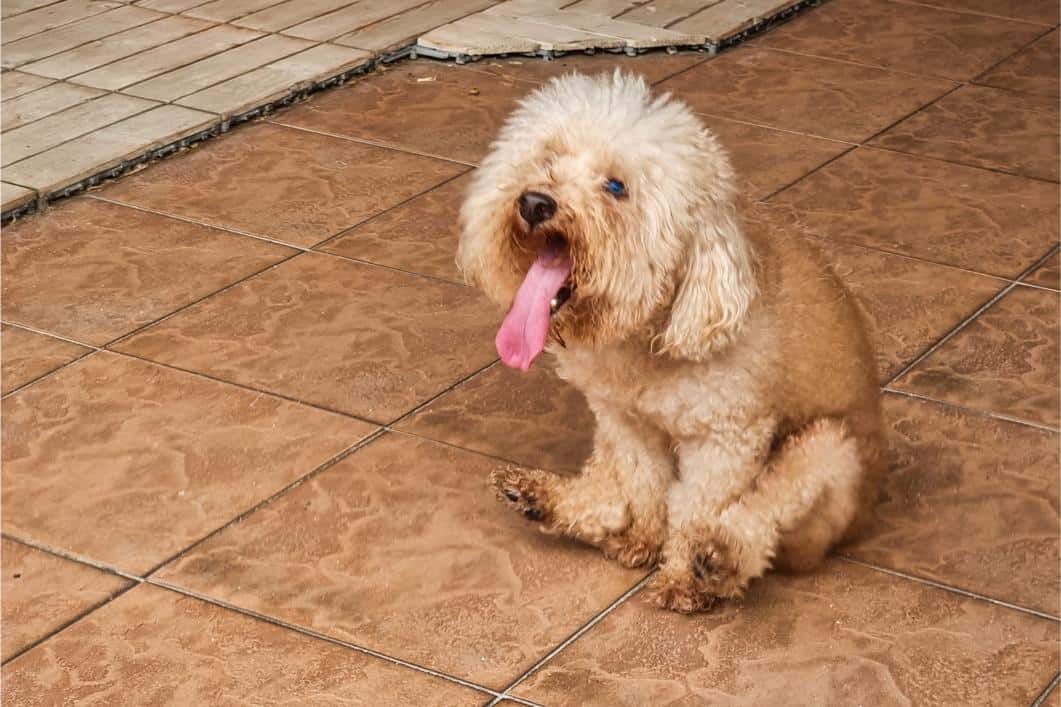
If you’ve ever watched your dog dragging their bottom across the carpet and wondered what on earth is going on, you’re not alone. This quirky and sometimes alarming behavior is one of the most common searches for pet owners online. The good news is that in most cases, there’s a very specific and treatable cause.
At Cherry Creek Veterinary Hospital in Antelope, CA, we regularly see anal gland issues in dogs, and we’re here to help you understand what’s happening…and what to do about them.
What Are Anal Glands, and Why Do They Cause Problems?
Anal glands, also called anal sacs, are two small glands located just inside your dog’s rectum, one on each side. They produce a pungent, oily fluid that dogs use for scent marking. Normally, these glands empty naturally when your dog has a bowel movement. But when that process doesn’t work the way it should, the fluid can build up, and could lead to discomfort and a range of issues.
There are a few reasons the anal glands in dogs can become problematic:
- Impaction: The fluid thickens and fails to drain properly.
- Infection: Bacteria can enter the anal glands and cause an anal gland infection in a dog, resulting in pain, swelling, and discharge.
- Abscess: If left untreated, an infection can progress to a painful abscess that may rupture.
- Tumors: Less commonly, growths in or near the anal sacs can interfere with normal function.
Small breeds, overweight dogs, and dogs with soft stools are more prone to these problems, though any dog can be affected.
Signs Your Dog May Have an Anal Gland Problem
The most recognizable sign is a dog dragging their bottom along the floor—but it’s not the only one. Keep an eye out for these red flags:
- Scooting or dragging the rear along carpet or grass
- Excessive licking or chewing at the base of the tail
- A strong, fishy odor coming from the hindquarters
- Visible swelling, redness, or a lump near the anus
- Straining or crying out during bowel movements
If you notice any of these signs, it’s a good idea to have your dog evaluated sooner rather than later. Anal gland problems tend to worsen quickly when left unaddressed, and an untreated infection can escalate into a much more painful—and costly—situation.
Other Dog Scooting Causes Worth Knowing
While anal gland issues are the most common reason for dog scooting, they aren’t the only potential causes worth investigating. Other culprits include:
- Intestinal parasites, including tapeworms, which can cause irritation around the anus
- Allergies, which can cause skin irritation in the perianal area
- Skin infections or dermatitis around the rear end
- Rectal irritation from diarrhea or dietary changes
Because several conditions can look similar, a proper veterinary exam is the only reliable way to get your dog the right treatment.
How Anal Gland Problems Are Treated
Treatment depends on the severity of the problem. For a simple impaction, manual expression, which gently empties the glands, is often all that’s needed. This is a quick in-clinic procedure that brings almost immediate relief to your dog.
For an anal gland infection in a dog, treatment typically involves antibiotics, anti-inflammatory medication, and possibly flushing the gland. In severe or recurring cases, surgical removal of the anal sacs may be recommended. Your veterinarian will walk you through all available options based on your dog’s individual needs.
Diet can also play a preventive role. Higher-fiber foods promote firmer stools, which help express the anal glands naturally with each bowel movement. Ask us whether a diet adjustment might help your dog.
Is Your Dog Scooting? Let Us Help.
You shouldn’t have to guess what’s making your dog uncomfortable. Our veterinarians and staff at Cherry Creek Veterinary Hospital are experienced in diagnosing and treating anal gland problems, and we make it easy to get the answers you need. We also offer urgent care visits during regular business hours if your dog is in obvious discomfort and you need to be seen quickly.
Call us today at (916) 349-2755 to schedule an appointment. Your dog will thank you.