Difference Between Hair Loss & Normal Shedding in Dogs
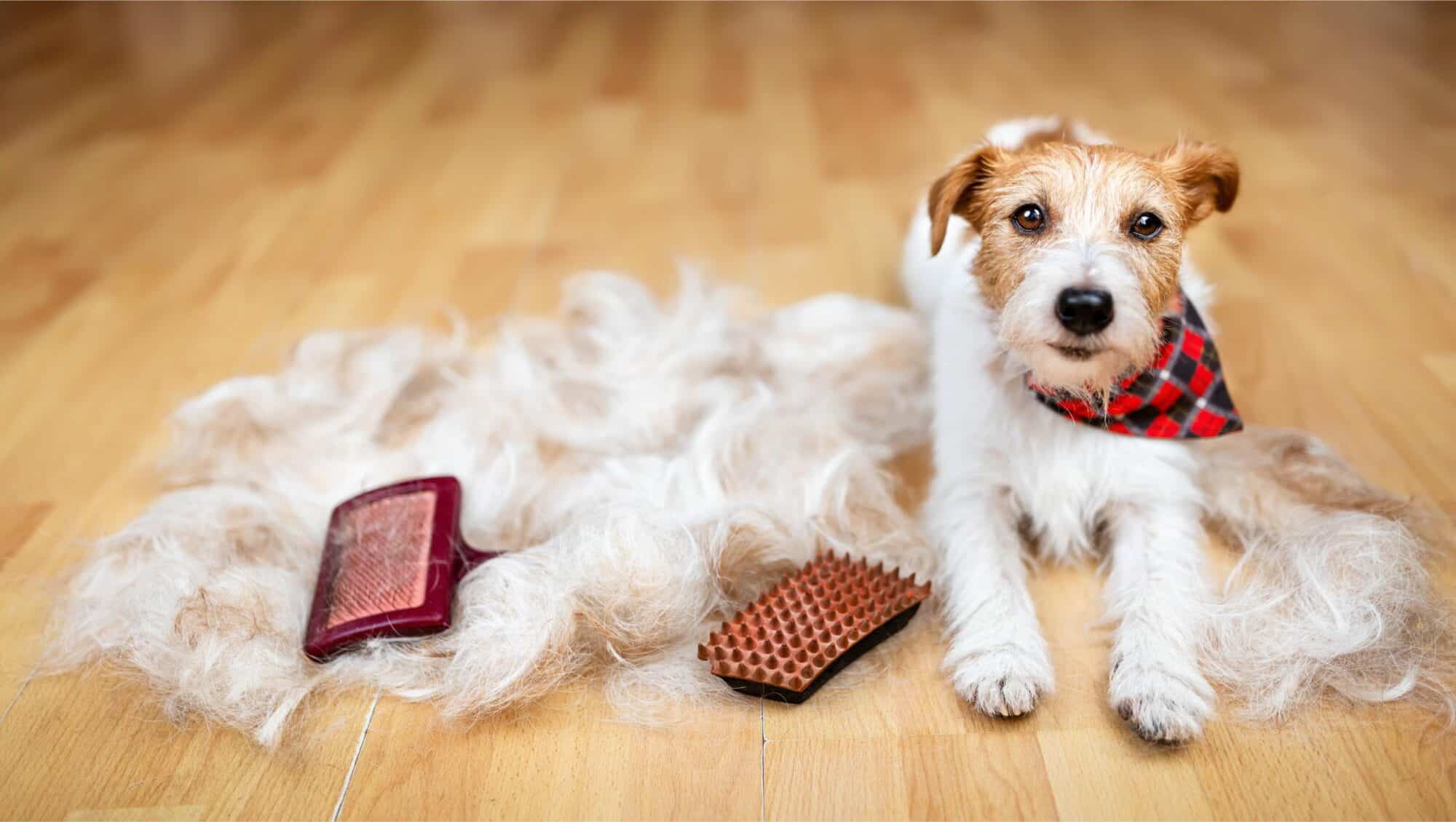
Is everything in your home covered in a dusting of dog fur? You’re not alone. Shedding is one of the most common and completely natural parts of canine life. But when does normal shedding cross the line into serious dog hair loss or alopecia?
At Cherry Creek Veterinary Hospital, we’re here to help pet parents understand what’s “normal” when it comes to a pooch’s penchant for shedding dog hair—and when it’s time to call the vet.
Untangling the Truth About Shedding Dog Hair
All dogs shed to some degree—it’s simply part of the hair’s natural growth cycle. Old, damaged, or loose fur makes way for fresh new strands. The amount of shedding depends on your dog’s breed, coat type, and even the time of year.
Double-coated breeds like Huskies, Labs, and German Shepherds often “blow” their coats twice a year, creating that familiar flurry of fur throughout the house. Short-haired pups may shed more evenly year-round. Regular brushing, bathing, and a healthy diet can help manage shedding dog hair and keep your pet’s coat looking its best.
So, if your dog’s fur is flying during spring or fall, don’t panic—it’s probably just normal seasonal shedding.
Getting to the Root of Alopecia
Serious dog hair loss—also known as alopecia—is a different story. Unlike routine shedding, alopecia leaves visible bald spots, patchy thinning, or uneven areas where fur isn’t growing back. It can appear suddenly or progress slowly over time.
Common causes include:
- Allergies to food, pollen, or fleas
- Parasites like mites or mange
- Hormonal imbalances, including thyroid or adrenal issues
- Infections (bacterial or fungal)
- Stress or anxiety leading to over-grooming
If your pup’s shedding seems hair-raisingly heavy or you spot bald patches, redness, scabs, or itching, it’s time for a veterinary visit. Your vet can pinpoint the cause with a physical exam, skin tests, and lab work, then recommend the right treatment.
Brushing Up on Hair Health
Once the underlying cause of dog hair loss is identified, most cases of alopecia can be managed or even reversed. Treatments might include medicated shampoos, parasite prevention, dietary adjustments, allergy therapy, or hormone-balancing medication.
For overall coat health, nutrition plays a pivotal role. Omega-3 fatty acids, quality proteins, and essential vitamins all help strengthen hair follicles and promote regrowth. Regular grooming, brushing, and routine vet visits keep your dog’s skin and coat in paw-some condition.
Concerns About Your Pup’s Crowning Glory?
It’s natural for pet parents to worry when their dog starts shedding excessively. But remember: not all dog hair loss is cause for alarm. When in doubt, let the pros at Cherry Creek Veterinary Hospital take a look. Our experienced team can determine whether it’s normal shedding or true alopecia, then get your furry friend’s coat back on track. Call or click here to schedule your dog’s appointment.